Manufacturing Rework Solutions and Prevention Strategies
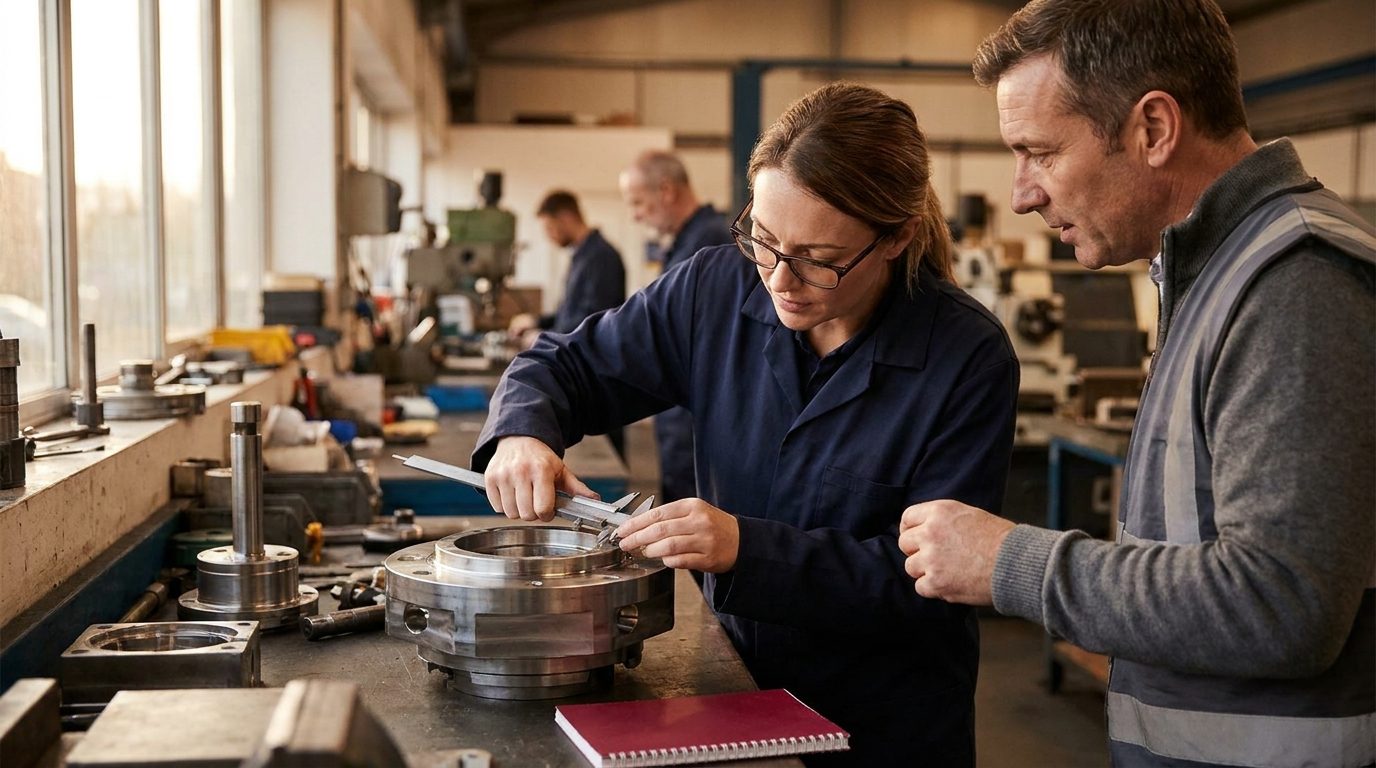
Manufacturing rework, the process of correcting or redoing defective products, significantly impacts operational efficiency and profitability. Beyond direct costs, rework can delay production schedules, reduce throughput, and negatively affect customer satisfaction.
While addressing existing defects is essential, the ultimate goal for manufacturers is to prevent these issues from arising. This article explores practical solutions for managing current rework and outlines effective strategies for its prevention.
Addressing Existing Manufacturing Defects
When manufacturing defects appear, the immediate priority is mitigation and correction. Understanding the cost of manufacturing rework helps prioritize which correction method to implement. The primary solutions involve:
- Rework: Correcting the defective product to meet specifications.
- Segregation: Isolating affected batches for thorough inspection.
- Scrapping: Discarding the product when defects are too severe or uneconomical to repair.
Selecting the appropriate solution requires careful consideration. Importantly, even while implementing these immediate fixes, initiating a root cause analysis (RCA) is vital to prevent similar defects from recurring.
Preventing Manufacturing Defects: Key Strategies
Preventing manufacturing defects requires an integrated, proactive approach. Key strategies include:
Implementing a Quality Management System (QMS)
A well-defined Quality Management System (QMS) establishes the standards and processes necessary for all production activities. A strong QMS typically involves documented procedures, clear responsibilities, and mechanisms for quality assurance and audits.
Material Selection and Testing
Ensuring the quality of incoming materials is key. Rigorous testing and qualification of suppliers and raw materials prevent defects stemming from substandard inputs. This includes verifying material properties, conducting incoming inspections, and maintaining detailed records of material certifications.
Preventive Equipment Maintenance
Regular preventive maintenance schedules for production machinery are critical. Proactive servicing, calibration, and timely repairs help avoid unexpected breakdowns and performance degradation that often lead to quality errors. Establishing predictive maintenance practices further enhances reliability.
Continuous Employee Training and Skill Development
A skilled and knowledgeable workforce is a primary asset in defect prevention. Continuous training equips employees with the latest techniques, best practices, and an understanding of quality standards. This includes onboarding new employees and providing ongoing skill enhancement.
Standardizing Processes and Procedures
Standardizing how tasks are performed eliminates ambiguity and promotes consistency. Clearly documented standard operating procedures (SOPs), work instructions, and visual aids ensure that tasks are executed correctly and uniformly, regardless of the operator or shift.
Diligent Production Monitoring and Analysis
Proactively monitoring production performance through key performance indicators (KPIs) allows for the early identification of trends and potential issues. Analyzing this data helps pinpoint deviations from expected performance and identify potential failure points before defects manifest.
The Role of Data-Driven Root Cause Analysis (RCA) and Corrective/Preventive Actions (CAPA)
Implementing data-driven Root Cause Analysis (RCA) and Corrective and Preventive Actions (CAPA) is foundational for long-term defect reduction. While immediate fixes address symptoms, RCA seeks to uncover the systemic, underlying reasons for a problem. By meticulously analyzing data associated with a defect—such as production logs, sensor readings, or operator reports—manufacturers can pinpoint the true origin, whether it lies in a process flaw, equipment malfunction, or human factor.
Following RCA, the CAPA process formalizes the response. CAPA outlines specific actions designed to eliminate the identified root causes and prevent recurrence. A typical CAPA workflow involves:
- Identification: Recognizing a defect or non-conformance.
- Investigation: Conducting RCA to determine the root cause(s).
- Solution Development: Designing and planning corrective actions.
- Implementation: Executing the corrective actions.
- Verification: Confirming that the actions have effectively eliminated the root cause and prevented recurrence.
- Closure: Documenting the entire process and closing the CAPA record.
This systematic approach ensures that problems are addressed comprehensively, leading to sustained improvements in product quality and a significant reduction in the recurring need for rework.
Standardizing Work Instructions for Direct Rework Prevention
Standardizing work instructions is a potent method for directly preventing manufacturing rework by ensuring consistency in task execution. When every operator follows the same clear, documented steps, the variability in how a task is performed is significantly reduced. This uniformity is key to minimizing human error, a frequent source of defects.
By explicitly detailing each stage of a process, outlining precise steps, and specifying critical parameters, companies ensure that tasks are performed correctly every time. This eliminates misinterpretations and reduces the likelihood of producing faulty items that would require rework. Implementing digital work instructions can further enhance their accessibility and ensure operators are using the most up-to-date versions.
Automation’s Contribution to Defect Prevention
Automation plays a significant role in preventing manufacturing rework by directly addressing human error and process variability. Automated machinery and integrated workflows execute tasks with exceptional precision and unwavering consistency, adhering strictly to programmed specifications. Unlike human operators, automated systems do not suffer from fatigue, distraction, or subjective variation in execution.
This high degree of consistency in task performance leads to a substantial decrease in quality issues and deviations from standards. Systems like automated inspection, robotic assembly, and advanced process control can identify and correct minor deviations in real-time or prevent them from occurring altogether.
Primary Causes of Manufacturing Rework
Several primary factors necessitate rework in manufacturing:
- Design Flaws: Inherent weaknesses or impracticalities in a product’s design can lead to manufacturing challenges or functional failures that manifest as defects.
- Process Errors: Mistakes introduced during the manufacturing process itself are common. These can stem from incorrect machine settings, improper calibration, or errors in manual operations.
- Substandard Materials: The use of materials that do not meet required specifications or quality standards can compromise the integrity of the final product.
- Ambiguous Specifications: Unclear or incomplete product specifications can lead to misinterpretations by operators or automated systems.
- Equipment Malfunctions: Inadequate performance or unexpected failures of production machinery can consistently produce faulty output.
Understanding and mitigating these root causes is essential for minimizing rework and improving overall production quality.
Strategic Imperatives for Rework Management and Prevention
Manufacturing rework presents an ongoing challenge that impacts efficiency and profitability. However, its prevalence can be significantly reduced through a dual focus on effective immediate rework solutions and, more importantly, proactive prevention strategies. While methods like repair, segregation, and scrapping are vital for controlling defects when they occur, true operational excellence is achieved by preventing them from happening in the first place.
The implementation of a strong Quality Management System (QMS), rigorous material control, diligent equipment maintenance, and complete employee training form the bedrock of defect prevention. The power of data-driven Root Cause Analysis (RCA), coupled with Corrective and Preventive Actions (CAPA), cannot be overstated. Standardizing work instructions ensures consistent execution, while automation enhances precision and minimizes human error, leading to more reliable production outcomes.
By understanding and mitigating the primary causes of rework—from design flaws and material quality to process execution and equipment performance—manufacturers can encourage a culture of continuous improvement. Adopting a mindset that prioritizes data analysis, standardized best practices, and a proactive approach to quality is the key to not only managing but substantially reducing rework, thereby enhancing overall operational excellence and product qu